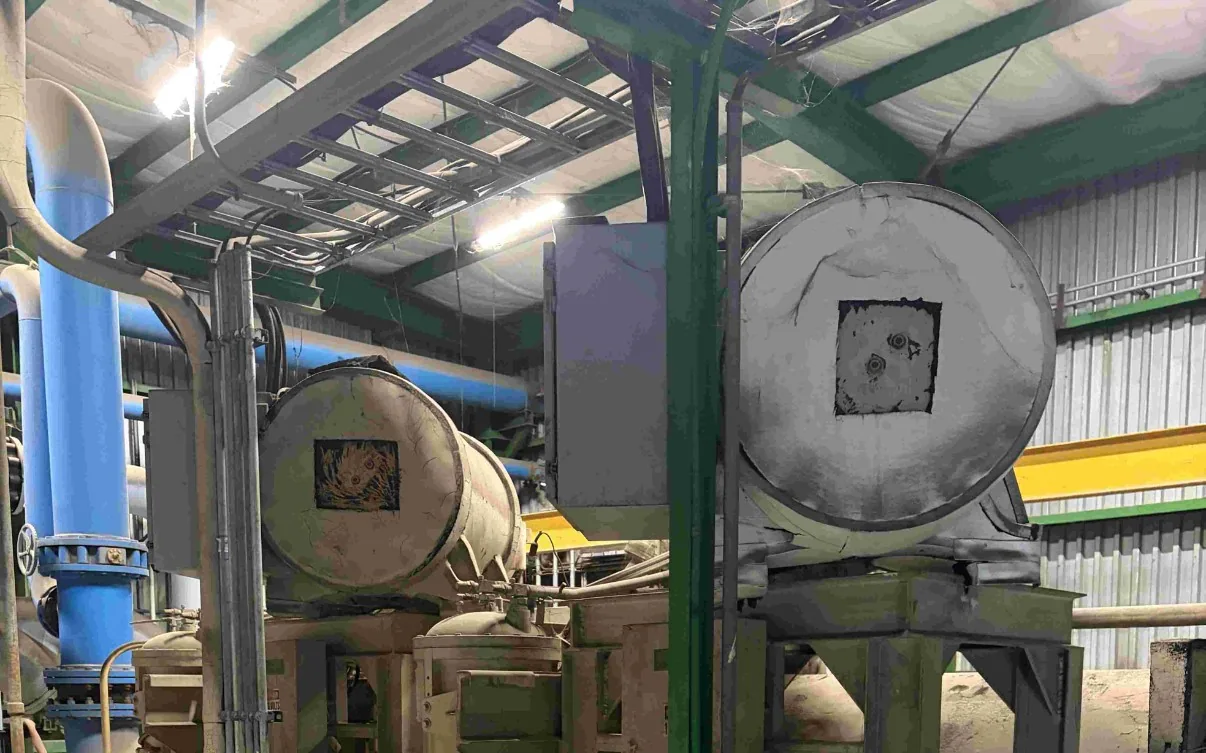
A practical way to sell your industrial chiller
Selling an industrial chiller starts with two questions: what is the equipment, and what will it take to remove it safely? We buy industrial chillers in Tennessee. For a request concerning R-513A chillers, photographs and honest site details help us assess the machine and prepare a practical cash offer.
For this discussion, keep the specific context in view: Identify R-513A on the equipment nameplate and plan buyer-handled recovery. The right information depends on the machine and the facility, so share what you know and flag anything that remains uncertain.
We buy industrial chillers only: air-cooled and water-cooled machines, including centrifugal, screw and scroll units. Our scope includes equipment from 20 to 2,000 or more tons; we buy chillers of all tonnages and using all refrigerants. The equipment may come from decommissioned data centers and power plants, hospital and campus closures, or industrial plant shutdowns. We make cash offers and pay upfront under the agreed sale terms. Every proposal depends on the individual equipment and circumstances, so an offer or price is not guaranteed.
Refrigerant identification and recovery
For a request concerning R-513A chillers, a clear photo of the refrigerant marking and equipment nameplate is more useful than an estimate based on age or appearance. If the marking is unreadable or you are unsure what is in the system, say so. We buy chillers using all refrigerants; the refrigerant designation by itself does not guarantee a particular offer.
An uncertain charge or illegible marking should be discussed rather than guessed. Tell us about any known leak and whether recovery has already occurred; service records can help. The buyer handles refrigerant recovery as agreed. Do not vent the system or presume it is empty, and no seller test is needed.
How we evaluate an offer
A useful valuation discussion starts with facts, not an assumed price per ton. Provide the model and configuration, visible condition and whether components are complete, then describe the removal route and available timing. We consider the chiller and the associated work as one proposed transaction. Each case is evaluated and neither a price nor an offer is guaranteed.
An accepted cash offer should specify what will be sold and how the handoff will work. We pay upfront according to the agreed terms, cover all freight and handle hauling. Confirm who will provide access and when the chiller can be released, so the purchase and removal plan match the actual site and equipment.
From first details to an agreed pickup
Send the chiller's location, type, tonnage, refrigerant, voltage and nameplate photos, together with your contact details and company name. If some fields are unknown, provide what is available. Include the intended removal date, whether it is flexible, and the name of the person authorized to discuss the sale. For multiple chillers, label the photos and specifications by unit.
After reviewing the equipment and site details, we may ask for clarification or additional photos. If an offer is made, review what is included and the payment and pickup terms before accepting. Following agreement, payment is upfront and the removal work is coordinated around the agreed access window. We handle the listed removal tasks and cover the freight.
What to send for a useful equipment review
Start with a readable photo of the manufacturer's nameplate. The manufacturer, model, serial number, cooling capacity, voltage and refrigerant marking can help identify what is being offered. Add a full view of the chiller and, if accessible, photos of the controls, compressor area and visible connections. Do not remove guards or enter an unsafe area to take pictures.
Not all surplus equipment comes with a complete file. Send the clearest label image and records you already have, note any absent parts or visible damage, and indicate whether the chiller is still hooked up. Leave unknown specifications marked as unknown. A seller does not need to perform a test or turn on the machine to begin the review.
Access, rigging and removal
For an initial access review, send a sequence of safe photographs: the chiller, its surrounding space, the exit and the place a truck might reach. Mention lifts between levels, rooftop placement and obstructions that are not obvious in the images. Existing weight and size information can help; we can discuss gaps without inventing measurements.
The division of responsibility is straightforward: the buyer handles recovery of refrigerant, disconnects, crane work when required, rigging, loading, freight and hauling in the agreed scope. The site contact helps identify access conditions and the connections or neighboring systems that need consideration. There is no need to run a chiller to ask for an offer.
Frequently asked questions
Should we run a performance test before sending photos?
No. Our buying process does not require a seller to run a test. Provide the equipment identification, visible condition and available site details. If the unit has already been shut down or a specification is unknown, say so rather than operating equipment for the quote.
What work does the buyer handle after a sale is agreed?
We handle refrigerant recovery, disconnects, necessary crane work, rigging, loading, freight and hauling; all freight is covered by the buyer. Describe the machine's connections and the route out so the team can coordinate removal with the facility's access requirements.
Must I recover the refrigerant before contacting you?
No. The buyer handles refrigerant recovery as part of the agreed removal process. Send the refrigerant marking if it is available, and mention any known previous recovery or leak. Do not vent the system or assume it is empty; an unknown refrigerant detail can be discussed during the review.