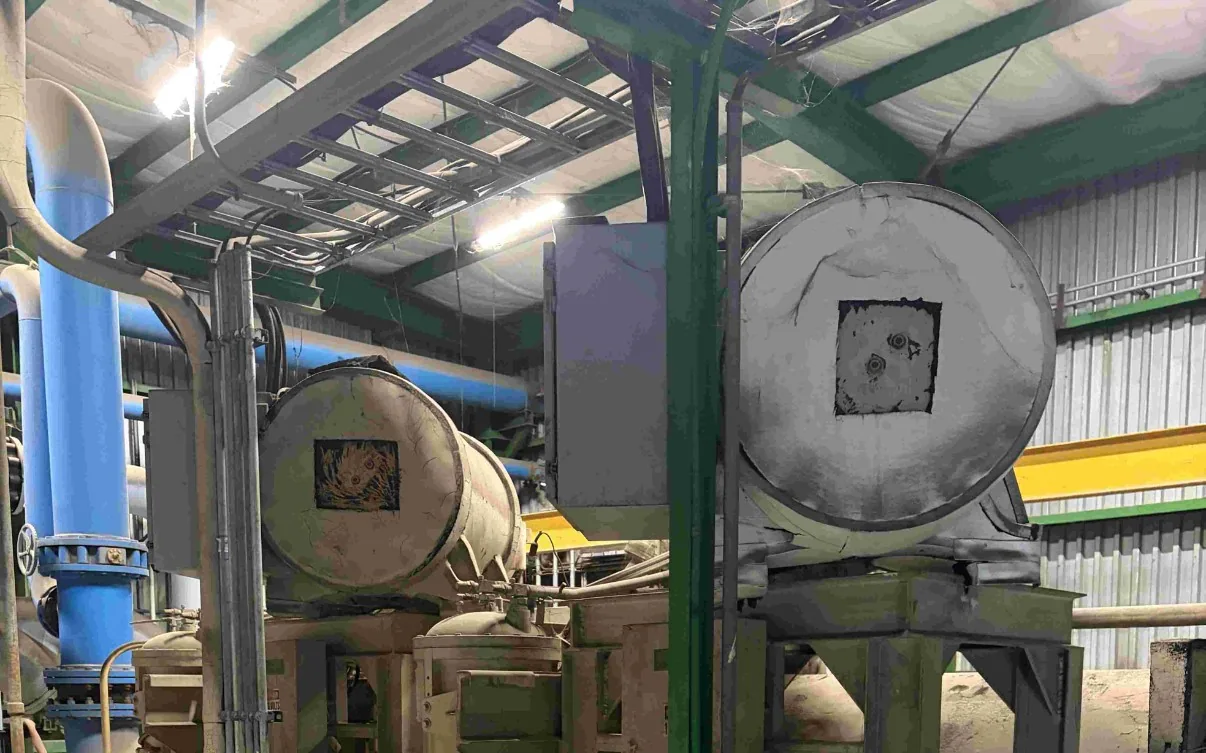
A practical way to sell your industrial chiller
An owner considering the sale of used industrial chillers in Chattanooga, Tennessee can start with the information already at hand. Send clear pictures and describe where the chiller sits. We buy industrial chillers and evaluate both the machine and the practical work involved before deciding whether to propose a cash offer.
Consider the circumstances behind the request: Local service for surplus and decommissioned chillers. An equipment label, a site photograph and a contact familiar with the property can help turn that broad description into a useful discussion.
We purchase industrial chillers, including equipment released by data-center decommissioning, power-plant shutdowns, hospital and campus closures and industrial shutdowns. Both water-cooled and air-cooled machines can be considered, including scroll, screw and centrifugal types. We buy chillers of all tonnages and using all refrigerants, including units from 20 to 2,000 or more tons. Cash offers with upfront payment depend on review and agreed terms; no offer is assured.
Coordinating the sale and site access
The person authorized to sell a chiller is not always the same person who controls access to the property. For a site in Chattanooga, Tennessee, identify the owner or authorized seller and a facility contact who can answer practical questions about the machine's location and the removal route.
If a property manager, shutdown contractor or other party needs to approve the work window, tell us early. Clear points of contact help coordinate payment and pickup after an agreement. They do not require the seller to hire a hauler or run a test; the buyer handles the agreed removal work.
When the unit is outdoors or elevated
If the machine is outdoors, on a roof or on an elevated platform, describe where it sits and what surrounds it. A wide photo can reveal nearby structures, fences or other equipment that may influence the lifting approach. Include the site location in Chattanooga, Tennessee and explain how the area is reached.
For a rooftop unit, let us know what access is available and whether there is a suitable area to discuss crane placement. Do not infer the unit's weight from its tonnage. The buyer handles crane work when needed, and the actual approach is planned around the equipment and site conditions.
How we evaluate an offer
We consider more than the manufacturer or tonnage when evaluating a cash offer. The machine's configuration and visible condition, whether parts are present, the removal route and the requested schedule all help define the work. A complete description makes it easier to discuss a realistic quote, but a particular value or an offer is never automatic.
A seller considering an offer can ask how the scope, payment and pickup fit the proposed sale. Once terms are agreed, payment is upfront; we also cover freight and handle hauling. Confirm the actual equipment being transferred and the access arrangements so the work is planned around an agreed release, not an assumed one.
From first details to an agreed pickup
If you are preparing information for someone else to submit, gather the company and contact details, site location and authority to sell alongside the chiller photographs. Capacity, type, refrigerant and voltage are useful when known. Explain the anticipated removal date and whether it can move. A separate identification set for each unit prevents different machines from being confused.
The review comes before a commitment. We may need clarification on the unit, its connections or the release date; an offer is not automatic. If a proposal is made, compare its equipment, payment and removal terms with your plans. Once accepted, we pay upfront as agreed and arrange the removal and freight with the appropriate site contact.
Access, rigging and removal
For an initial access review, send a sequence of safe photographs: the chiller, its surrounding space, the exit and the place a truck might reach. Mention lifts between levels, rooftop placement and obstructions that are not obvious in the images. Existing weight and size information can help; we can discuss gaps without inventing measurements.
Once a purchase and scope are agreed, the buyer handles refrigerant recovery and disconnects as well as rigging, loading, freight and hauling. Crane work is included when needed. The facility should identify power and water connections, equipment that must remain operational, and its rules for granting access. The seller does not need to test the chiller for our review.
What to send for a useful equipment review
The nameplate is often the quickest way to distinguish one machine from another. Send the manufacturer, model, serial number, tonnage, voltage and refrigerant details visible on the label, along with a wide photo of the whole unit. Photos of controls and connections can add context. Only photograph areas you can access safely; do not open energized equipment for a picture.
An incomplete record does not need to become a guess. Tell us which components are visibly missing, whether the chiller remains connected and what is known about its condition. A worn label can be supplemented by existing documentation. No performance test is required; leave a retired or disconnected machine off rather than starting it for a quote.
Frequently asked questions
What if we cannot demonstrate that the unit runs?
You can still send the available information. Seller testing is not required, and a machine should not be energized solely for our quotation. Identify the unit and explain its known condition or any gaps in the record; any offer is subject to review.
How is an agreed removal coordinated?
The site contact describes access and release requirements. We handle the disconnects, refrigerant recovery, rigging, loading and hauling, with a crane when needed, and cover freight. The actual plan and work window are coordinated under the sale's agreed scope.
What should we confirm before accepting a cash offer?
Review the equipment included, the payment terms, the expected release window and the agreed removal scope. We pay upfront when the sale is agreed. An offer depends on the specific unit and logistics, so its availability and amount cannot be promised in advance.