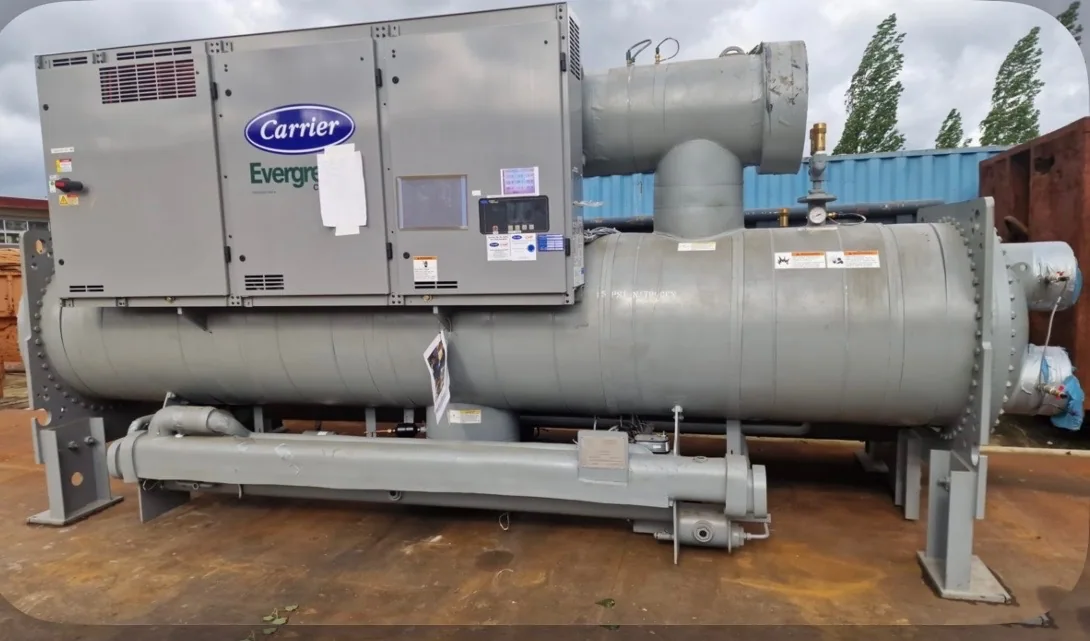
A practical way to sell your industrial chiller
If you have an industrial chiller to remove in Tennessee, you do not need to make it operational before contacting us. We buy industrial chillers and can evaluate a request concerning 500–999 ton chillers using the equipment details, available photographs and the conditions at the site.
For this discussion, keep the specific context in view: Capacity and practical removal planning for 500–999 ton equipment. The right information depends on the machine and the facility, so share what you know and flag anything that remains uncertain.
From a 20-ton unit to equipment rated 2,000 tons or more, our industrial chiller buying scope covers all tonnages and all refrigerants. We consider air-cooled and water-cooled chillers, including centrifugal, screw and scroll machines. Shutdowns at industrial plants, campuses, hospitals, power plants and data centers can produce surplus units. We make cash offers and pay upfront on agreed terms; the equipment and removal must first be evaluated.
Capacity, dimensions and the lift plan
For a request concerning 500–999 ton chillers, give the rated cooling capacity shown on the nameplate if it is legible. Capacity in tons describes cooling output, not the machine's shipping weight. Two units in a similar capacity range can have different dimensions, access requirements or configurations.
The seller need not choose the lift method. Instead, provide known equipment dimensions and weight and show any labeled lifting points and the machine's base. Explain the door and ceiling clearances, roof access and loading route. We handle the necessary rigging and crane work, and assess value in context rather than promising a tonnage-based price.
From first details to an agreed pickup
To begin, provide a contact name and company, the equipment location, and the type, tonnage, refrigerant and voltage shown on the chiller if known. Nameplate and full-unit photos help connect those details to the correct machine. Mention who can authorize the sale and your preferred release window; an unknown specification or tentative date can be marked as such.
First we assess the submitted information; then any unresolved equipment or access questions can be discussed. A seller is free to review an offer, if made, and its stated removal scope before accepting it. An agreed sale moves to upfront payment and pickup coordination. We handle the agreed physical removal and cover the freight rather than requiring a seller-booked carrier.
What to send for a useful equipment review
The words on a nameplate help connect the offered chiller to its actual specification. Photograph the maker, model and serial number, rated tons, voltage and refrigerant marking if legible. A whole-machine picture and safe views of connections and controls add context. If taking an image would require removing a cover or entering an unsafe space, leave it out.
Tell us what you know about condition, missing components and whether the machine is still connected. If the plate is damaged, send the clearest available image and any records you have. We do not require testing: please do not start, energize or pressure-test a chiller just to seek an offer. An unknown detail can be described as unknown.
How we evaluate an offer
We consider more than the manufacturer or tonnage when evaluating a cash offer. The machine's configuration and visible condition, whether parts are present, the removal route and the requested schedule all help define the work. A complete description makes it easier to discuss a realistic quote, but a particular value or an offer is never automatic.
The handoff should be clear before anyone schedules a truck. Review which chiller and components the agreement covers, when payment is due and the expected pickup window. We pay upfront according to the agreed terms and cover all freight and hauling. If the site's schedule depends on another party, bring that dependency into the discussion.
Access, rigging and removal
A good removal plan begins with the route out. Show the surrounding room, available openings, any overhead obstructions and the intended loading area. Tell us about roof access, restricted driveways or equipment that cannot be moved. If you have measurements or a documented weight, include them; if not, share clear photos rather than guessing.
The division of responsibility is straightforward: the buyer handles recovery of refrigerant, disconnects, crane work when required, rigging, loading, freight and hauling in the agreed scope. The site contact helps identify access conditions and the connections or neighboring systems that need consideration. There is no need to run a chiller to ask for an offer.
Frequently asked questions
Can I inquire without current performance readings?
Yes. A performance test is not a condition of our review. The nameplate, overall photographs, known condition and site details are a useful starting point. Do not start or energize the chiller simply to obtain readings for the request.
What should the facility contribute to removal planning?
Explain the route, connections, access rules and release window. We handle refrigerant recovery, disconnects, rigging, loading and hauling; crane work is handled when needed and all freight is covered. The site should identify neighboring equipment that must stay in place or service.
Is a capacity rating enough to plan the lift?
It is only one identification detail. Actual weight, dimensions, the route out and available lifting information help with removal planning. Cooling tons must not be confused with weight. We buy chillers of all tonnages and handle necessary crane and rigging work, subject to review and agreed scope.