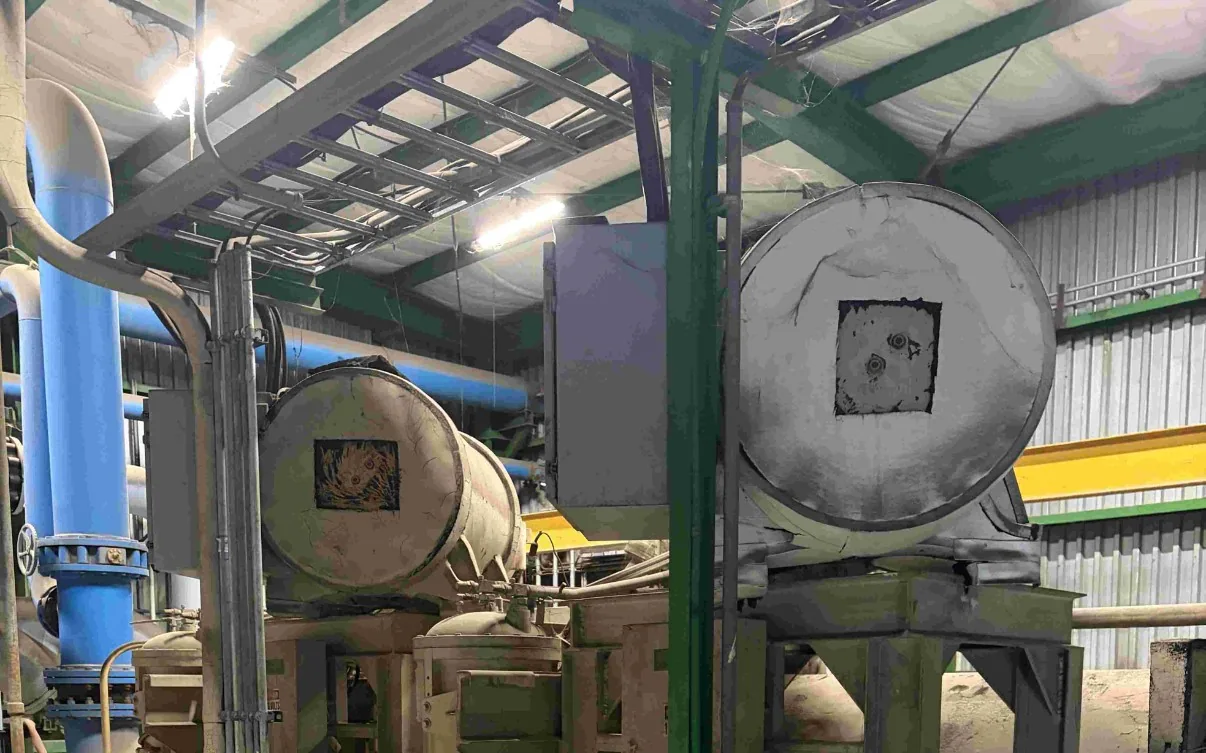
A practical way to sell your industrial chiller
An industrial chiller sale is more than a model number or a pickup date. For R-134a chillers in Chattanooga, Tennessee, we look at the equipment itself, the space around it and the work involved in removal. Our business buys industrial chillers; we are not offering chillers for sale.
The page's stated focus is: R-134a identification and buyer-handled recovery. The information needed will depend on the particular unit and its surroundings. Explain what is known and identify any points that still need to be checked.
From a 20-ton unit to equipment rated 2,000 tons or more, our industrial chiller buying scope covers all tonnages and all refrigerants. We consider air-cooled and water-cooled chillers, including centrifugal, screw and scroll machines. Shutdowns at industrial plants, campuses, hospitals, power plants and data centers can produce surplus units. We make cash offers and pay upfront on agreed terms; the equipment and removal must first be evaluated.
Refrigerant identification and recovery
For a request concerning R-134a chillers, a clear photo of the refrigerant marking and equipment nameplate is more useful than an estimate based on age or appearance. If the marking is unreadable or you are unsure what is in the system, say so. We buy chillers using all refrigerants; the refrigerant designation by itself does not guarantee a particular offer.
Do not vent refrigerant or assume the system is empty. The buyer handles refrigerant recovery as part of the agreed removal process, with appropriate planning for the equipment and applicable requirements. Mention any known leak, previous recovery or available service records, but do not run a test just to request a quote.
From first details to an agreed pickup
The most helpful submission links three things: the seller, the machine and its availability. Give a company and contact name, site address or location, authorized sale contact and expected pickup window. Send clear nameplate and overall views, plus the type, tonnage, voltage and refrigerant where known. State which fields remain uncertain and label multiple units individually.
A preliminary description lets us determine what additional information, if any, is needed. We may discuss photographs, condition or how the machine can leave the site. If we make an offer, review the equipment and removal terms; there is no guarantee of a proposal. After agreement we pay upfront and coordinate the listed work, including freight, for pickup.
How we evaluate an offer
The proposed sale is assessed as a complete job: identify the machine, describe its condition and tell us about the site and schedule. Capacity, configuration, missing parts, disconnects, access and transportation can all affect the evaluation. These are factors we review, not promises of a specific value or a guaranteed offer.
Read the proposed terms against the asset list and the site plan. Clarify what is included, who can grant access and what pickup window is anticipated. The buyer pays upfront under the agreed sale terms, covers all freight and handles hauling. Agreeing on these points helps avoid treating a tentative date as a confirmed appointment.
What to send for a useful equipment review
Start by locating the main equipment label and taking a clear, straight-on photo if it can be reached safely. Pair that with an image of the full chiller; show controls and connections where possible. Manufacturer, model, serial number, cooling rating, refrigerant and voltage are useful details, but do not open energized cabinets or move guards to read them.
A unit may be connected, disconnected, incomplete or already retired; describe its actual condition rather than assuming that it must be operational. Mention known damage and any components that are absent. No testing is required, and you should not energize or operate equipment merely to request a quote. Existing records can help when a label is difficult to read.
Access, rigging and removal
For an initial access review, send a sequence of safe photographs: the chiller, its surrounding space, the exit and the place a truck might reach. Mention lifts between levels, rooftop placement and obstructions that are not obvious in the images. Existing weight and size information can help; we can discuss gaps without inventing measurements.
Removal involves more than placing a machine on a truck. We handle the agreed disconnects and refrigerant recovery, arrange rigging and any necessary crane work, and take care of loading, freight and hauling. A site representative can explain water and electrical connections, adjacent operating systems and release procedures. No seller-operated performance test is part of the request.
Frequently asked questions
Should we run a performance test before sending photos?
No. Our buying process does not require a seller to run a test. Provide the equipment identification, visible condition and available site details. If the unit has already been shut down or a specification is unknown, say so rather than operating equipment for the quote.
Do I need a separate freight company?
No. For an agreed purchase, we handle hauling and cover all freight. Our scope also includes refrigerant recovery, disconnects, rigging, loading and crane work when needed. Let us know about the loading area and the site's access requirements.
Can I submit an inquiry if the system may have a leak?
Yes. Report any known leak and share the refrigerant marking or available records. Do not vent the contents or assume that a leak means the system is empty. We handle refrigerant recovery as part of agreed removal; the equipment still requires review.