A practical way to sell your industrial chiller
A nameplate can tell part of the story; the route to a loading area tells another part. If you are considering selling Trane water-cooled chillers in Johnson City, Tennessee, share both equipment and site information. Our business buys industrial chillers, and each possible purchase is assessed on its own circumstances.
Each project has its own boundaries. Keep this focus in mind: Trane manufacturer identification and water-cooled equipment configuration. Identify the machine, the responsible contact and any open questions before making decisions about access or timing.
Our business buys industrial chillers only, across all refrigerants and tonnages; the scope includes machines rated 20 to 2,000 or more tons. Air-cooled and water-cooled designs and centrifugal, scroll and screw compressors are included. Projects may involve retired data centers, power stations, hospitals, campuses or industrial plants. We offer cash and pay upfront when terms are agreed, but each proposed purchase requires evaluation.
Manufacturer and model details
When offering Trane water-cooled chillers, check whether the records identify the same unit that is available for removal. Model and serial markings on the equipment are preferable to a generic equipment list. A separate label on a compressor or control panel may provide context; photograph it only if it is safely accessible.
If paperwork and the visible label differ, point out the discrepancy rather than choosing one by assumption. Explain whether the chiller is complete, which components are included and how it sits in the building. These details help define the potential purchase, although neither the brand nor the information supplied guarantees an offer.
Understanding the equipment configuration
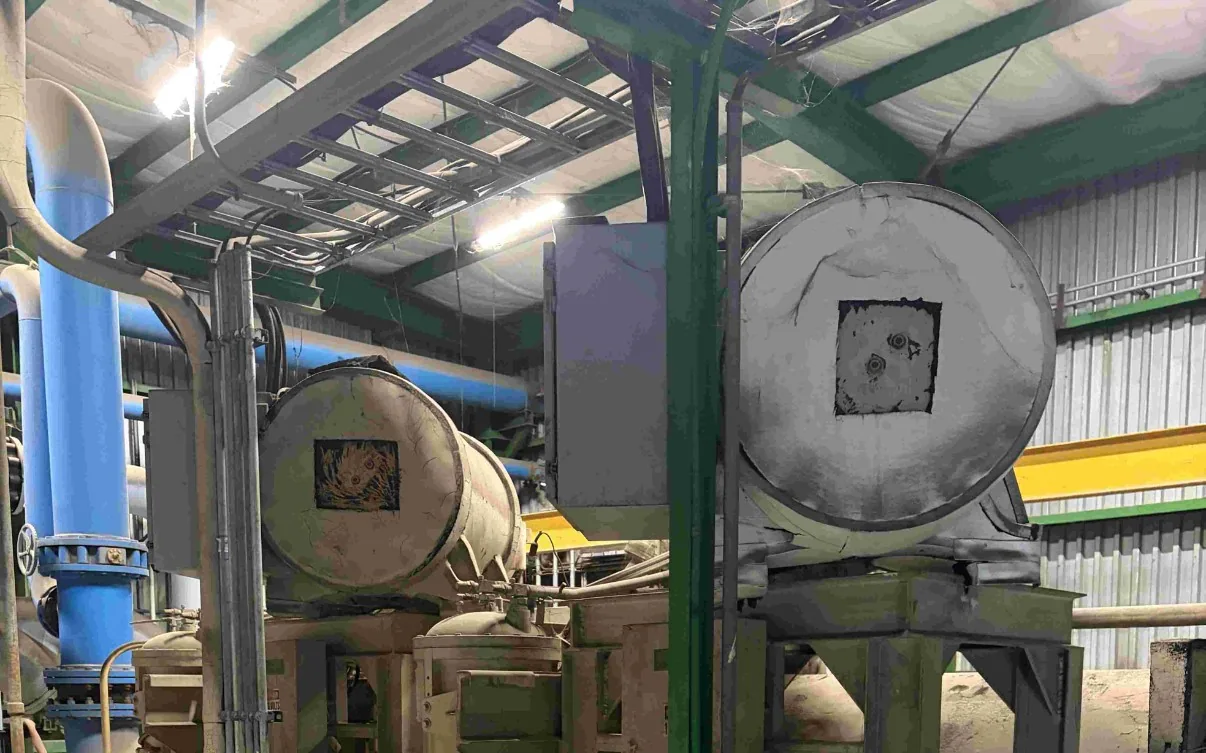
With a water-cooled chiller, show the machine and its connections rather than describing the entire cooling system as a single item. Photos of the evaporator and condenser sides, connection points and surrounding piping help identify what must be disconnected. Note whether chilled-water or condenser-water loops must remain available to other equipment.
Tell us if there are pumps, cooling towers or associated piping nearby and whether they are part of the proposed scope. We buy industrial chillers; do not assume that separate equipment is included. The buyer handles the agreed disconnects and removal, with the facility coordinating access and release of the unit.
Access, rigging and removal
Photograph the path from the chiller to an exit or loading point, not just the machine itself. Include doorways, stairs or ramps, overhead obstructions, nearby equipment and the area where a truck could approach. If the unit is on a roof or below grade, say how that area is reached. Approximate dimensions and known weights are helpful, but mark estimates as estimates.
You do not have to select a hauler or lifting crew for an agreed sale. We handle loading, freight and hauling, along with refrigerant recovery, disconnects, rigging and crane work when needed. Please describe the site's access and release requirements, power and water connections, and anything nearby that must stay in service. We do not require the seller to test the unit.
What to send for a useful equipment review
The nameplate is often the quickest way to distinguish one machine from another. Send the manufacturer, model, serial number, tonnage, voltage and refrigerant details visible on the label, along with a wide photo of the whole unit. Photos of controls and connections can add context. Only photograph areas you can access safely; do not open energized equipment for a picture.
A unit may be connected, disconnected, incomplete or already retired; describe its actual condition rather than assuming that it must be operational. Mention known damage and any components that are absent. No testing is required, and you should not energize or operate equipment merely to request a quote. Existing records can help when a label is difficult to read.
How we evaluate an offer
We consider more than the manufacturer or tonnage when evaluating a cash offer. The machine's configuration and visible condition, whether parts are present, the removal route and the requested schedule all help define the work. A complete description makes it easier to discuss a realistic quote, but a particular value or an offer is never automatic.
Payment and logistics should not be left implicit. If an offer is accepted, we pay upfront on the agreed terms, cover all freight and handle hauling. Establish which unit is being purchased and discuss the planned release window with the facility contact. Any unresolved questions about access or scope can be addressed before scheduling.
From first details to an agreed pickup
You can begin before every record has been located. Share your contact and company, the chiller's location and the name of the person able to authorize a sale. Include a photo of the label and machine, its known type, capacity, refrigerant and voltage, and the expected release date. Flag flexible timing and identify each chiller separately if there is more than one.
First we assess the submitted information; then any unresolved equipment or access questions can be discussed. A seller is free to review an offer, if made, and its stated removal scope before accepting it. An agreed sale moves to upfront payment and pickup coordination. We handle the agreed physical removal and cover the freight rather than requiring a seller-booked carrier.
Frequently asked questions
What should replace a test in my initial submission?
Provide a readable nameplate if available, a full view of the chiller and an honest description of its condition and location. We do not require a performance test and you should not energize the machine just to seek a quote.
Will the seller need to arrange removal and transportation?
No. We handle disconnects, refrigerant recovery, rigging, crane work when needed, loading and hauling, and we cover all freight. The site contact can help by explaining access, release dates and any systems that must remain in place. Removal is coordinated under the agreed scope.
Why do access and condition matter to an offer?
They help define both the asset being purchased and the work needed to remove it. Model, configuration, completeness and schedule also matter. We buy chillers of all tonnages and using all refrigerants, but the review does not guarantee a price or an offer. Payment for an agreed sale is upfront.